Guides
Why Size Charts Fail, and How to Use Them Anyway
Size charts fail because the numbers behind them drifted for seventy years. How to measure your body, measure the garment flat, and read fit feedback instead of trusting a label.
By Claire Donovan · Published Sep 6, 2026 · Updated Sep 6, 2026
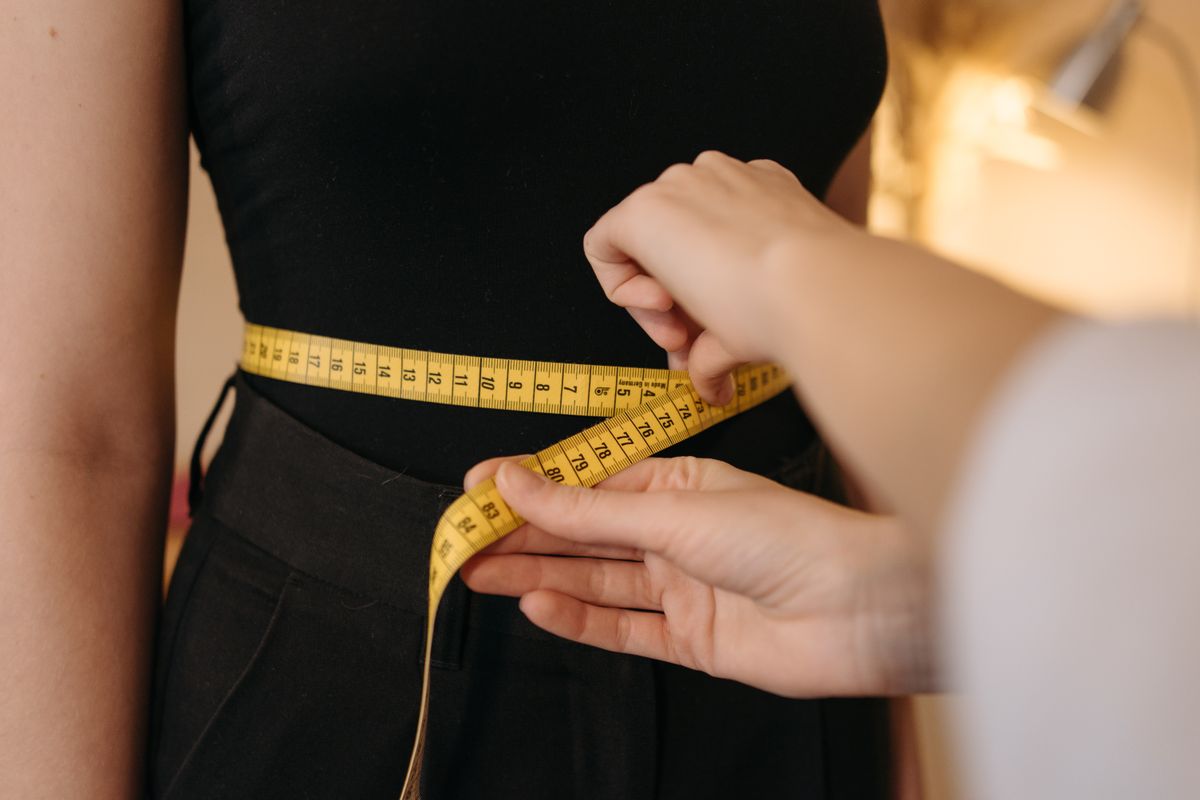
A size chart looks like data. It sits there with its columns and its centimeters, promising objectivity. What it usually delivers is a number that has been drifting for seventy years, graded against a fit model you have never seen, on a scale that stopped being official before most shoppers were born. The chart is still worth reading — but only if you know what it can and cannot tell you.
Why the numbers moved
The United States had a sizing standard once. In 1958, a size 8 corresponded to a 31-inch bust, a 23.5-inch waist and a 32.5-inch hip under the National Bureau of Standards’ commercial standard. By ASTM’s 2008 voluntary tables, a size 8 had grown five to six inches at each of those measurements — roughly a 1958 size 14 or 16. The standard was voluntary and compliance faded; the government withdrew it entirely in 1983. Britain’s SizeUK survey, the first national measuring since 1951, found that between 1951 and 2002 the average woman’s waist grew about six and a half inches while height, bust and hips each rose about an inch and a half. Some of that is real body change. Most of the label drift on top of it is vanity sizing: the same garment, a smaller number, because shoppers keep what flatters them.
Measure the body, properly
Three numbers do the work. Bust: tape level around the fullest point, not up at the front. Waist: at the natural waist, the narrowest point just above the belly button, not where jeans sit. Hip: at the fullest point, roughly eight inches below the waist. Keep the tape horizontal all the way around — check in a mirror or have someone look — and pull it snug against the skin without compressing it. A tape that digs in understates you by half an inch to an inch, which is enough to pick the wrong size.
Measure the garment instead
When a listing gives flat measurements, trust them over the size number. Lay the garment on a table, measure straight across at the stated points, and double it: a 20-inch flat waistband is a 40-inch circumference. Compare against a similar piece you already own and wear happily — that comparison absorbs the brand’s cut and your preferences in one step. Budget 1 to 2 inches of ease at the bust and waist for a fitted woven garment, less for knits.
Conversion tables and comment sections
Charts that map US 8 = UK 12 = EU 40 are a courtesy, not a fact. The UK-to-US offset varies between four and six depending on the brand, EU sizing differs by country — Italian and French labels run above the German-based scale — and none of it accounts for the vanity drift above. Treat conversions as a starting guess and let the brand’s own chart override them.
Fit feedback in reviews is usable data if you read it as a set, not a quote. Two buyers saying “runs small” is an anecdote; twenty, with heights and builds attached, is a pattern worth an hour of your time. Weight the notes that match your frame and ignore the ones grading a garment on a body nothing like yours. This is the same spec-first habit behind a spec-sheet-first buying guide: the label is marketing, the measurements are evidence, and a wardrobe audit done honestly will tell you which of your existing pieces already fit the way you want more of.
FAQ
- Do I measure the garment or my body?
- Both, but the garment is the one that settles close calls. Your body measurements go into the size chart; the garment's flat measurements, doubled, tell you what the brand actually cut. Comparing garment measurements to a piece you already own and like is the single most reliable method.
- Why am I a medium in one brand and an extra large in another?
- Because size numbers are not standardized. The last US sizing standard was withdrawn in 1983, and every brand grades its own pattern blocks against its own fit model. A four-inch spread at the same labeled size across major retailers is documented, not an exaggeration.
- Should I size up if I'm between sizes?
- Take the larger size only if the governing measurement — the one where the garment is closest-fitting, usually the bust or shoulder — demands it. Ease can be taken in by a tailor at the waist; letting out is rarely possible because there is no extra fabric at the seam.
Claire Donovan
Spent eight years in womenswear buying before moving to editorial research. Reads care labels for fun and returns nothing without a wear log. How we research.