Shoes
Rain-Ready Boots: Waterproofing Claims and Leather Care
What waterproof really means on a boot listing, why suede and full-grain need different treatments, and the care routine that saves a soaked pair.
By Claire Donovan · Published Sep 18, 2026 · Updated Sep 18, 2026
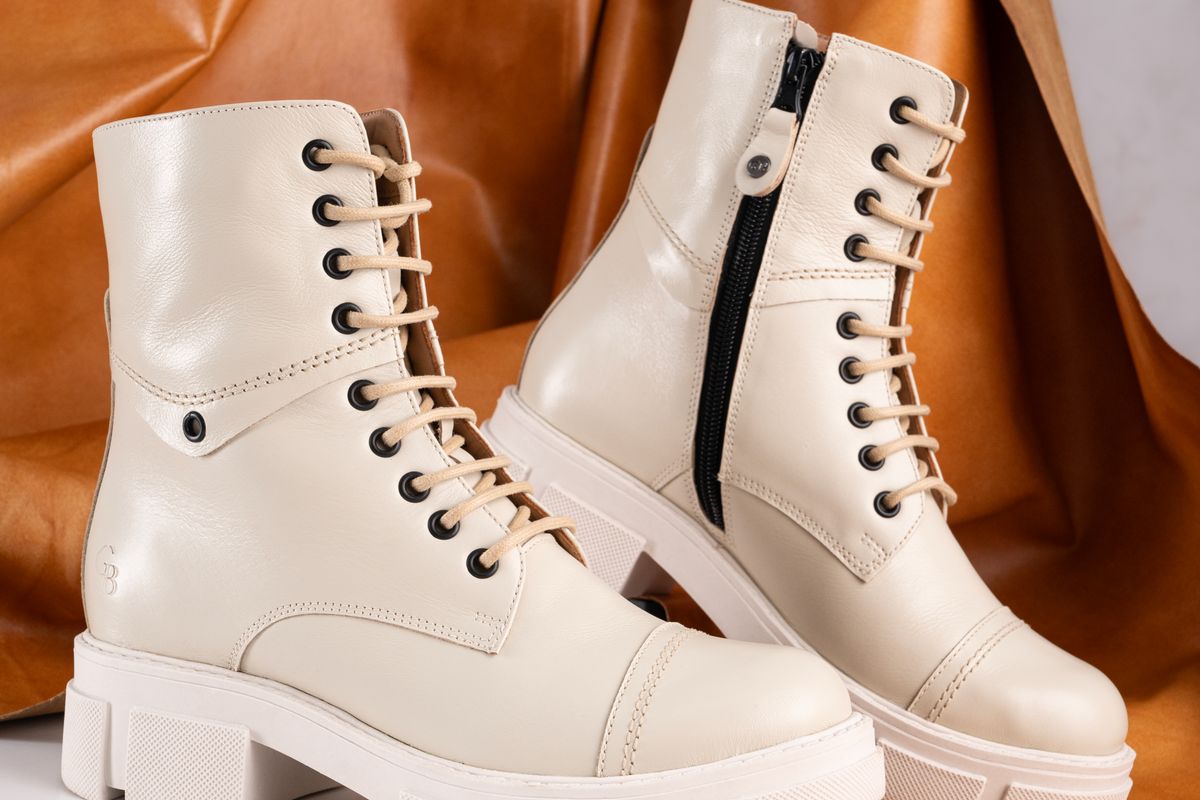
Rain is where boot marketing and boot physics part ways. Listings use “waterproof” for everything from waxed full-grain work boots to suede chelseas, and the word covers three different things: treated leather, a sealed membrane inside the boot, and, occasionally, nothing at all. Knowing which one is on your feet decides both what to buy and what to do after the first soaking.
Full-grain and suede fail differently
Full-grain leather has its outer surface intact, the densest layer of the hide, which slows water absorption and accepts wax and oil treatments evenly. Suede is the same hide sanded to expose the fibers, and those fibers drink water fast. The treatment options follow directly: smooth full-grain takes paste wax, grease dressings, or oil — the strongest and longest-lasting barriers — while suede and nubuck take spray-only protectors, because any wax or cream flattens the nap permanently. Oil-waxed leathers such as the pull-up hides common on work boots arrive pre-treated by the tannery and need little more than occasional re-waxing at the toes.
The silicone spray question
Silicone sprays are the most convenient option and the most argued-about. They go on invisible, do not darken smooth leather, and work well on suede — but they sit on the surface rather than feeding it, wear off in weeks, and some leather care specialists caution that heavy silicone use can interfere with later conditioning and cobbler work, since adhesives and finishes bond poorly to a silicone film. Fluoropolymer-based sprays avoid that complaint and cost more. For a boot that will be resoled or reconditioned over years, wax on smooth leather remains the safer long-term choice; a test patch on a hidden spot first is standard advice, because darkening is usually permanent.
After the soaking
The drying routine matters more than any spray. Blot off surface water, remove the insoles and laces, and stuff the boots with plain paper to hold the shape and pull moisture from inside — change the paper as it dampens. Then dry at room temperature, away from radiators, heaters and sunlight. Direct heat is the fastest way to crack wet leather and shrink it out of shape. Once fully dry, condition: a soaking cycle strips the oils that keep leather supple, and replacing them is what prevents the stiffness and cracking that show up weeks later. Then re-waterproof, since the original treatment rarely survives a soaking.
Membrane boots versus plain leather
Membrane boots — those with a waterproof lining such as the versions sold under the Gore-Tex name — keep water out from the inside and are the standard for sustained wet hiking. The cost is breathability and repair: once the membrane is punctured, it cannot be restored, and the leather outside still needs the same care described above, or the upper degrades while the liner stays dry. A well-waxed leather boot handles commuting and daily rain for years and stays rebuildable, which suits the same construction-first thinking outlined in our white leather sneaker guide. For most city wear, treated full-grain leather is the more durable investment; for all-day downpours, the membrane earns its price. Whichever route you take, alternating pairs so each boot dries fully between wears — the same rotation logic a capsule wardrobe runs on — does more for longevity than any single product.
FAQ
- Is wax bad for leather boots?
- Not for smooth full-grain leather — wax is the most durable water barrier available for it. The tradeoffs are color and breathability: most waxes darken the leather permanently and slightly reduce airflow. Never use wax on suede or nubuck, where it mats the nap irreversibly; those take a spray only.
- How often should I re-waterproof my boots?
- Watch the water, not the calendar. Flick a few drops on the boot: if they bead and roll off, the treatment is working; if they soak in and darken the surface, reapply. As a rough schedule, waxes hold up for a couple of months of regular wet wear and sprays wear off faster, often within weeks.
- Can leather boots be fully waterproof?
- Leather itself absorbs water, so an untreated boot is only water-resistant in light rain. True waterproofing comes from either a sealed treatment on the leather or a membrane boot with a waterproof liner. Even then, seams and stitching remain the weak points — water finds them before it finds the panels.
Claire Donovan
Spent eight years in womenswear buying before moving to editorial research. Reads care labels for fun and returns nothing without a wear log. How we research.