Clothing
Pocket Construction Explained: Patch, In-Seam, and Welt
Pockets are the most operations-dense part of a garment. The three basic constructions — patch, in-seam, and welt — tell you where a maker spent its budget.
By Claire Donovan · Published Sep 30, 2026 · Updated Oct 8, 2026
The short version
Pockets are the most operations-dense part of a garment. The three basic constructions — patch, in-seam, and welt — tell you where a maker spent its budget.
Every label term in this guide is explained in what the symbols actually mean .
Pockets concentrate more sewing operations per square inch than any other part of a garment — the honest chapter of the cost story. A maker can economize on invisible allowances, but a pocket forces a choice: each of the three basic constructions — patch, in-seam, welt — carries a distinct price in labor, and the choice leaves readable evidence.
Patch: sewn on top
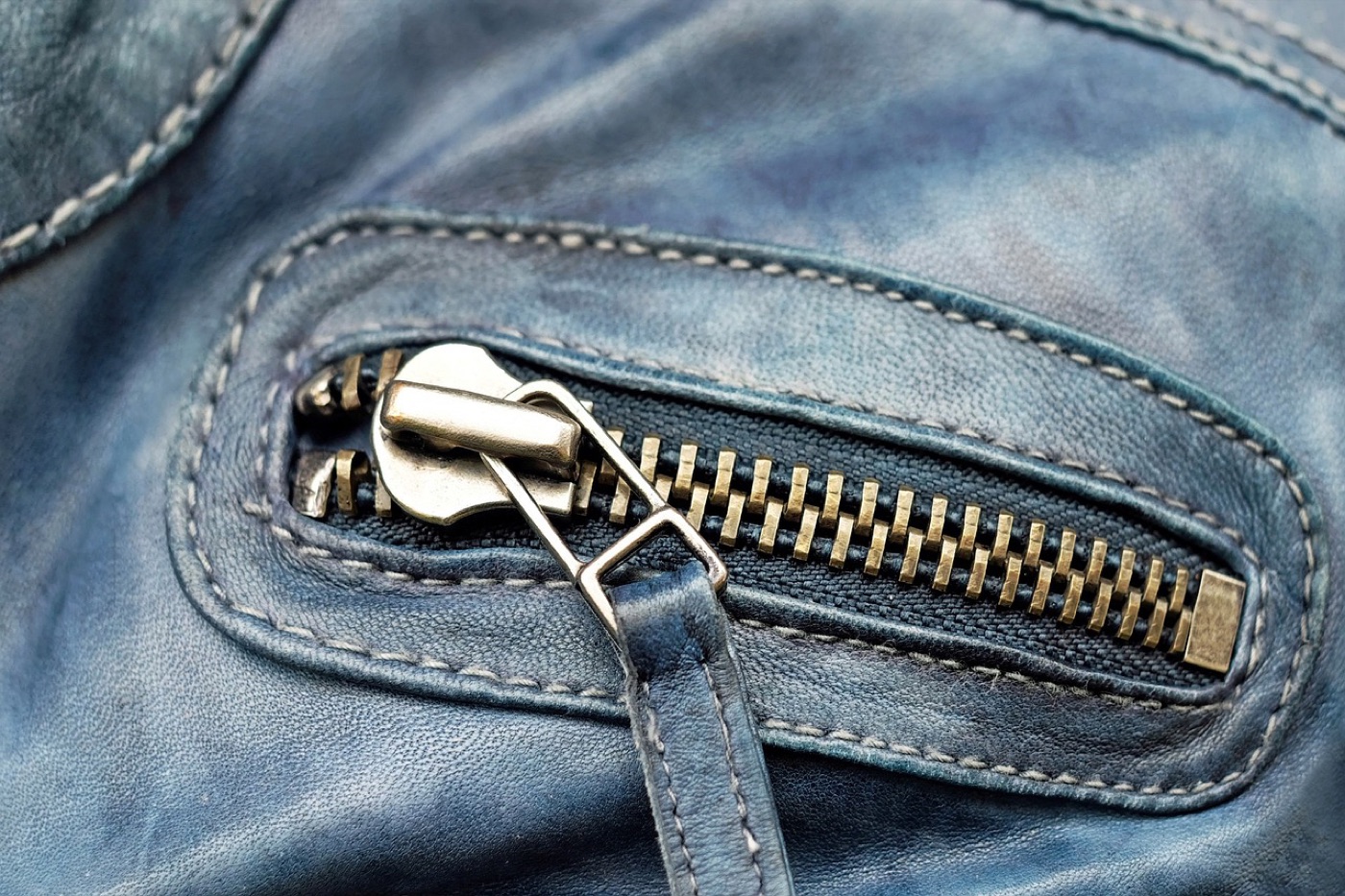
A patch pocket is a piece of fabric applied to the outside of the garment, edges turned under, topstitched in place. It is the oldest and simplest construction, standard on jeans, chore coats, and field shirts, and its weakness is visible: the opening is a raw top edge, and the pocket’s own weight strains the topstitching at the corners. Quality shows in three details. The top edge should be double-turned so no raw edge peeks out. The corners, where a phone eventually punches through, should carry bar-tacks. And the topstitch should run evenly — wobbling rows on a $200 jacket mean the factory skimped where it assumed you would not look. On tailored garments a patch pocket also breaks the silhouette, which is why it lives on casual wear and almost never on formal jackets.
In-seam: hidden in the joint
An in-seam pocket builds the pocket into an existing seam, so the opening is the seam itself and nothing interrupts the garment surface. The construction looks effortless and is not: the pocket bag must be joined to the seam allowance cleanly, and the opening corners are pure stress points that get nothing but thread. The failure mode is the seam opening at the pocket mouth, which is why better makers bartack both ends. If the pocket bag is sewn with a narrow single-stitch allowance the pocket will fail first, and the seam constructions inside a garment predict exactly where.
Welt: cut into the panel
The welt pocket is the labor cost test. The garment panel is slit, the cut edges are bound with welts — the narrow fabric lips — and a bag hangs behind, all before the lining closes over it. One welt makes a clean chest pocket; two make the hip pockets on a suit. A flap covers some openings, and the jetted formal pocket hides everything but a slit. The construction takes several machine operations plus hand finishing and cannot be faked cheaply: a budget machine-sewn welt on a jacket looks crisp on the shelf and puckers after its first pressing. On a proper jacket the welt sits level, gaps tight, and opens smoothly. Chest welts also belong inside the shoulder construction decisions of a jacket — both cost real labor, and neither is where budget tailoring spends.
The bag nobody mentions
The pocket bag is the part every construction hides, and the part that fails first. Cotton twill bags age well and quiet; slick polyester bags wear the shell fabric they rub against; thin bag fabric telegraphs coins into the silhouette. Check the bag seams — felled or double-stitched bags survive a decade of hands, single-overlocked bags survive a year or two of keys. The same inside-out reading that applies to pockets applies to the sew-through quality of a shirt button: the maker that finishes the small parts finished the structure.
Bag fabric gets its own reading habit because it is the one place a listing cannot be checked from photos at all. Ask what the bag is made of on garments above impulse prices; sellers who know will answer with a fabric, and sellers who guess will answer with a shrug. On the garment itself, the bag should feel like fabric first and like lining second — a bag chosen for weight savings is a bag chosen against your hands.
Matching construction to the job
The three constructions are not ranked; they are priced for different jobs. Patch pockets suit garments that get abused. Jeans, chore coats, and work shirts need a bag of fabric on the outside, because an applied panel survives abrasion better than an opening cut into it. In-seam pockets suit garments where the silhouette matters and the load stays light: dress trousers, skirts, summer layers that would look wrong with a stitched-on rectangle. Welt pockets suit tailored clothing, where the point of the jacket is a clean front line and the pockets are expected to hold a ticket rather than a laptop. Trouble starts when a maker crosses those lines — welt styling priced for in-seam labor, or a patch pocket added to a blazer silhouette without the bar-tacks and double-turned edges that make patch honest. The construction itself is never the flaw. The mismatch is.
Weight changes the arithmetic too. A pocket’s construction only tells you how the opening was made; what the pocket will actually carry decides whether that was enough. An in-seam pocket on weekend trousers holding a transit card is fine engineering. The same construction holding a phone all day is a different job, and the seam will report it within a season. Utility garments get judged by this standard more strictly than tailored ones for exactly that reason: a chore coat pocket that cannot survive a tape measure has failed at its stated purpose, while a jacket welt that holds nothing heavier than opera tickets never faces the test. Match the construction to the heaviest thing you will actually carry, not the lightest thing the listing implies.
What the listing tells you before delivery
Product photography rarely shows the parts that matter here. Pocket bags almost never appear in shots, bar-tacks show only in close-ups, and welt quality reveals itself in person. So read the copy for what it volunteers. Descriptions that mention bar-tacking, bound interior seams, or bag fabric by name are volunteering, and that usually tracks with factories that were told to do the work. Descriptions that say nothing about pockets on a garment where pockets carry the design — a utility jacket with no word on reinforcement — are saying something too. Two photos are worth requesting: the side-seam shot that shows whether an in-seam opening is bartacked, and any interior shot that reveals the bag fabric. If the listing has neither, the check simply moves to the day the garment arrives, before the return window closes.
The one-minute check
The check takes under a minute: feel the pocket bag, look for bar-tacks at every opening corner, and run a finger along a jacket welt for puckering. Pockets are where a maker’s assumptions about you surface; the garment tells you whether it expects to be worn or photographed.
Claire Donovan
Spent eight years in womenswear buying before moving to editorial research. Reads care labels for fun and returns nothing without a wear log. How we rate.
More in Clothing
FAQ
- What is the difference between a welt and a besom pocket?
- On most garments they are the same construction. A welt pocket is an opening cut into the fabric and finished with bound edges, typically one or two welts. Besom is the tailoring term for the bound opening itself, and on formalwear it usually implies a clean jetted pocket with no flap and no visible topstitching. The terms describe one family: a slit in the garment panel, reinforced and finished, with the bag hidden behind.
- Do patch pockets signal low quality?
- No, but they signal a choice. A patch pocket is the least labor-intensive construction and suits casual garments, workwear, and utility clothing where access and durability matter more than silhouette. The quality signals are different from welt pockets: look for double-turned top edges that hide the raw edge, bar-tacks at the corners, and even topstitching. An unevenly sewn patch pocket on an expensive casual garment is a genuine downgrade.
- Why do pocket linings wear out before the garment?
- Because the pocket bag takes all the load. Hands, phones, keys, and repeated flexing concentrate stress on a small panel that is usually a lighter fabric than the shell. A cotton pocket bag wears softer and eventually tears at the seam; a polyester bag resists abrasion but tears where it meets the shell fabric of different stretch. Wider seam allowances and bartacked corners delay the failure by years.