Guides
The Fur Act: What a Fur Label Must Say, and What It Never Says
The Fur Products Labeling Act forces a fur trim to carry the animal's name, its country of origin, and the words dyed or used — but nothing about quality.
By Claire Donovan · Published Sep 29, 2026 · Updated Sep 29, 2026
The short version
The Fur Products Labeling Act forces a fur trim to carry the animal's name, its country of origin, and the words dyed or used — but nothing about quality.
Every label term in this guide is explained in what the symbols actually mean .
Every other material on a clothing rack announces itself. The Textile Act forces cotton to say cotton, the Wool Act forces wool to say wool, and both claims can in principle be verified against the yarn itself. Fur is the outlier, because fur is the one apparel material a shopper cannot identify by touch or sight. Pale rabbit takes dye into a convincing mink brown, and once the pelt is cut into trim and sewn into a hood, no amount of handling recovers the species. Congress answered in 1951 with a naming law, and the FTC’s rules at 16 CFR Part 301 still carry it.
The Name Guide decides what the tag can say
The Act does not let a manufacturer pick its own vocabulary.
Under the FTC’s Fur Products Name Guide, the label must carry the animal’s name as listed — “raccoon dog” if that is the species, even though the garment trade spent years pushing “Asiatic raccoon” as the friendlier noun. The 2010 amendment, the Truth in Fur Labeling Act, tightened exactly this point. Mislabeled raccoon dog trim had been turning up sold as raccoon, as fox, and in some cases as faux fur, and the response was to make the animal-name requirement absolute. Selling fox under the name mink is misbranding regardless of how close the two pelts look. The same naming logic that governs fiber percentages under the Textile Act runs through this statute: the government regulates the noun, not the adjectives around it.
Dyed, used, and the words that must appear
A compliant fur label carries a fixed set of disclosures, and every one of them is load-bearing. The animal’s name from the Name Guide comes first. Then the designation “Fur,” or “Fake Fur” for imitation material, so the two categories cannot blur on a rack. The word “Dyed” must appear when the natural color has been altered, because pale furs take dye readily and unmarked dyed trim was the classic deception the Act targeted. “Used” must appear when the fur has had a previous life; a rebuilt coat sold as new is misbranding, in the same category as a rolled-back odometer. The label also carries the maker’s name or a registered identification number, and since 2010 it must state the country of origin. Country of origin joined the mandatory set only with the 2010 amendment. A fully compliant label reads like “Genuine Fur: Dyed Mink, Origin: Denmark,” and a label missing any single element is the specific condition the Act was written to stop.
The coloring disclosure is broader than the word “dyed” suggests. The statute requires the label to say when fur has been bleached, dyed, or otherwise artificially colored, which covers tipping and other partial treatments, not just a full bath in dye. That matters because partial coloring is exactly the technique used to make inexpensive pale fur read as a premium species at a glance. A label that says “Dyed” under a cheap animal name is doing its job; the buyer’s job is to notice that both words appear before the price does.
What the Act covers, trim included
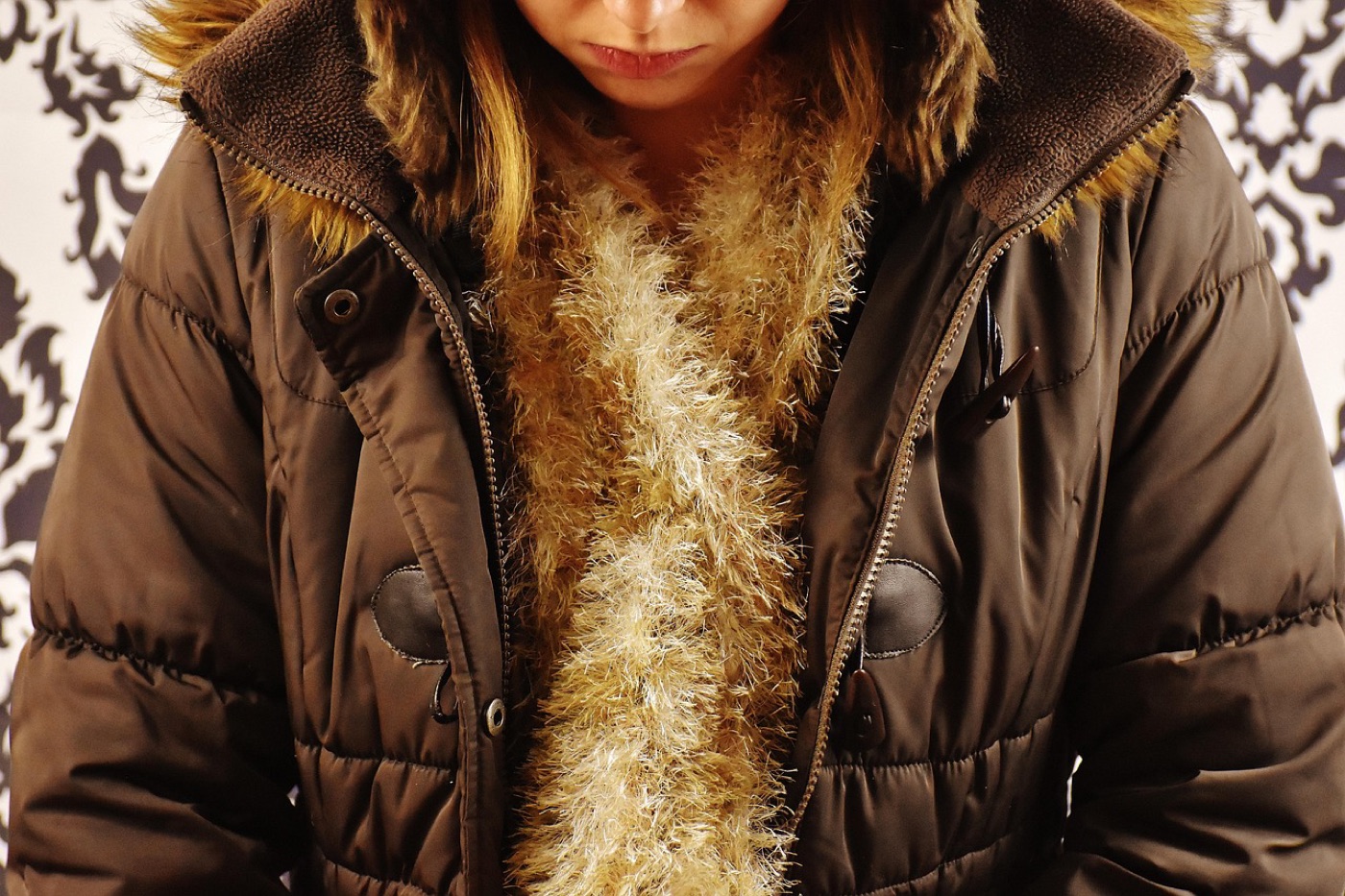
The statute reaches any product made in whole or in part of fur, which puts the trim on a parka hood inside the law, along with fur-lined shoes, gloves with rabbit cuffs, and novelty items. It does not cover leather with the hair removed, and it does not cover materials the FTC has not recognized as fur-like. The practical effect is all-or-nothing: any real fur anywhere on a garment pulls the whole product under this statute, the same philosophy the Wool Act applies to animal fibers. Two companion statutes narrow the field further. The Dog and Cat Protection Act of 2000 bans dog and cat fur from US commerce outright, a direct response to pet fur being found in goods whose labels named neither animal.
What a compliant label looks like
The label itself must be durable, legible, and accessible. It can be sewn into the garment or printed on the hangtag, and nothing in the marketing copy elsewhere may contradict it. Reading it takes ten seconds and a fixed checklist: the animal name, full and undecorated; the word Fur or Fake Fur; Dyed or Bleached if the color was altered; Used if secondhand; the country of origin; the maker’s name or RN number. Hangtag vocabulary like “shearling” or “wild fox trim” is decoration. On the legally required label, the Name Guide’s names only.
Misbranding, and who pays for it
Misbranding is not a paperwork offense reserved for factories. The statute applies to anyone who introduces fur products into commerce, sells them, or offers them for sale, which includes the retailer at the end of the chain. A shop cannot claim ignorance of what its supplier printed. Enforcement runs through the FTC by way of cease-and-desist orders and penalties in serious cases; the sharper consequence for a brand is usually the recall and the story that follows it. For a buyer the asymmetry is useful: the seller carries the entire label burden, and the shopper’s only obligation is to read past the hangtag.
What the Act never reaches
The Act governs identity: which animal, what treatment, which country. It says nothing about quality, and that silence shapes the whole market. There is no legal definition of a “prime” pelt, no regulated grading of underfur density or guard hair break, no standard for how many repairs a rebuilt coat may hide. Auction houses grade pelts under their own systems, and a $3,000 scarf competes on the maker’s reputation, not on any government check. The Act is also silent on maintenance: fur care is its own craft, the care label system barely reaches it, and professional cleaning is advice, not obligation.
The cost of an unlabeled trim
The pattern across the statutes is consistent. Each federal labeling law buys the shopper one reliable fact and leaves the rest to the market. The Wool Act bought fiber content, the jewelry guides bought metal purity, as in the gold-filled and vermeil dividing line. For fur, the fact bought is the animal’s name, and the price of a missing name is easy to state: a $400 collar labeled mink and a $60 collar labeled nothing may be the same rabbit. Before buying, read past the hangtag to the sewn-in label and hold the animal name against the price. If the label names nothing, the price is telling you what the law requires the seller not to say.
Claire Donovan
Spent eight years in womenswear buying before moving to editorial research. Reads care labels for fun and returns nothing without a wear log. How we rate.
More in Guides
FAQ
- Does the Fur Act cover fake fur?
- Yes, and that surprises most readers. The statute covers any product containing material that imitates natural fur, and such products must be labeled 'fake fur' or 'imitation fur' so the buyer can tell the difference at a glance. The same law that protects mink buyers also obliges the maker of an acrylic-lined trapper hat to say plainly that nothing on it came from an animal.
- Is there still a dollar limit under which fur goes unlabeled?
- There used to be. Until 2010, products with fur value under $150 escaped the labeling requirement entirely, which is how unlabeled rabbit trim ended up on cheap gloves and toys. The Truth in Fur Labeling Act of 2010 removed that exemption, so today every product containing fur requires the full disclosure.
- Can a label say 'shearling' instead of naming the animal?
- No. Shearling is a marketing word for lambskin with the wool still attached, and the FTC's Fur Products Name Guide does not accept it as a label name. A sheepskin product must be labeled by the animal name the Guide lists. Marketing vocabulary on the hangtag is fine; on the legally required label, the Guide's names only.