Bags
YKK, RiRi, Lampo: Reading the Zipper on a Leather Goods Listing
The zipper brands that signal construction quality: what YKK's model numbers mean, where RiRi and Lampo fit, and how to check a zipper before buying.
By Claire Donovan · Published Aug 28, 2026 · Updated Aug 28, 2026
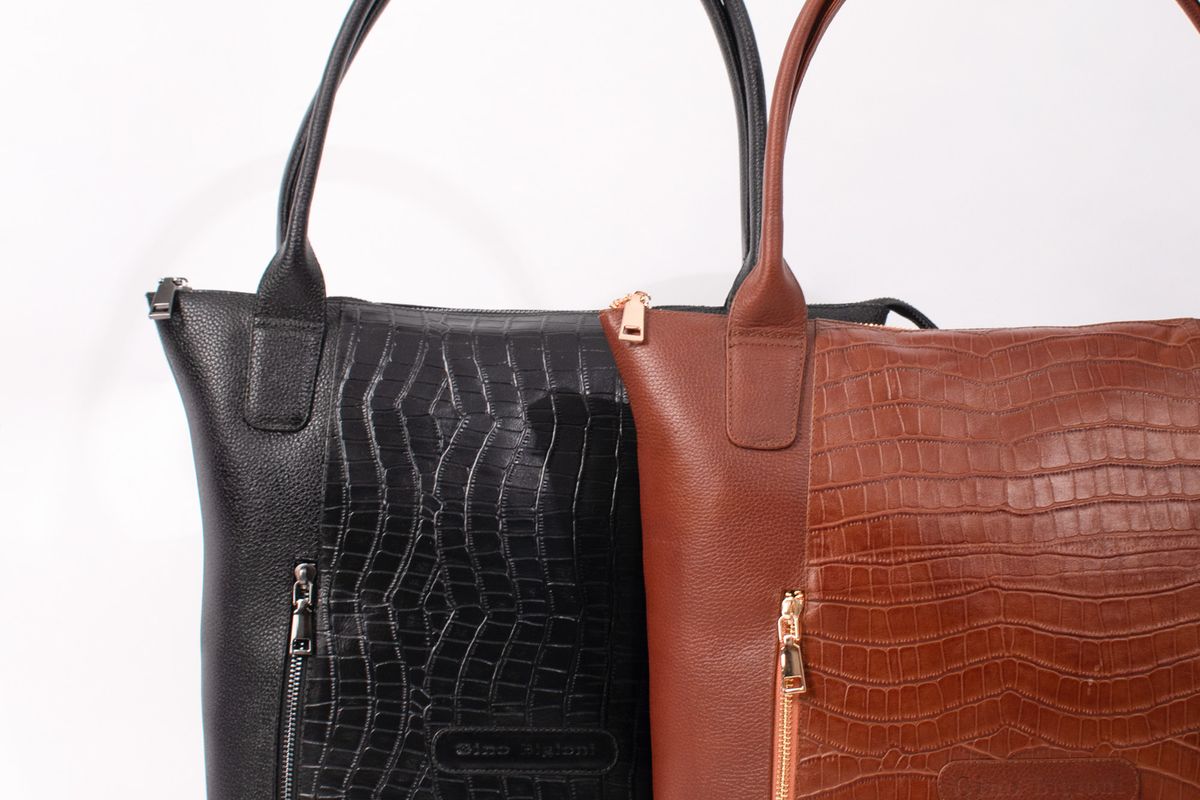
A zipper is among the cheapest components to upgrade and among the first to fail, which is why the makers of good ones put their names where you can read them. Learning the short list — YKK, RiRi, Lampo — turns a product listing into a readable spec sheet, the same way reading denier and hardware claims does for a tote.
The YKK system
YKK, the Japanese maker that dominates the market, runs on a legible scheme. Chain type comes first: coil zippers use nylon helical teeth sewn to the tape; VISLON zippers use injection-molded plastic elements; metal zippers use cast brass, aluminum, or nickel-plated teeth. Size follows as a number — #3, #5, #8 — roughly the gauge of the element, with #5 the workhorse on bags and #8 appearing on luggage and heavy totes. YKK also sells finish-specific lines. AquaGuard is a coil or VISLON zipper with polyurethane laminated onto the tape, which the company’s own care sheet describes as water repellent rather than waterproof. Excella is its polished metal line, finished to a uniform shine. A listing that says YKK zippers is making a checkable claim; one that says premium metal zippers while omitting the name is asking you not to.
RiRi: the Swiss reference
RiRi, founded in 1936 in Mendrisio, Switzerland, supplies zippers and fastenings for major French and Italian leather goods houses, and its positioning is exactly that: small production runs, sliders and pulls treated like jewelry, and prices far above commodity hardware — the company’s own materials and reporting on the luxury supply chain both point that way. The name is stamped on the slider, which is why authenticators look there. On a listing, RiRi hardware is a construction signal first and a branding signal second: the maker spent on the component most likely to fail first.
Lampo: the Italian counterpart
Lampo belongs to Lanfranchi, a family firm in Palazzolo sull’Oglio, Italy, that has made fastenings since 1887 and took Italian rights to a key zipper patent in 1955. Its logo is marked on the underside of the pull, and its top line, Super Lampo, polishes each element individually. Lampo hardware is widespread across Italian leather goods, which makes it a fair expectation on anything labeled made in Italy — and its absence is a fair question to ask of a four-figure price. That habit of reading labels against provenance is the same one that sorts out jewelry metal markings.
The two-minute check
On a bag in hand, run three checks. Look at the slider’s back plate for engraving: YKK, RiRi, Lampo, or the house’s own mark. Pull the zipper through its full travel twice — a good one is even in resistance, with no catching at either end. Then look down the chain: teeth should be evenly spaced and identically finished, because a wobbly pitch or mismatched shine means chain and slider were never matched. Online, the same check runs through the listing itself. Named hardware is published; unnamed hardware is not. Across every category we audit, the rule holds: the more construction specifics a listing volunteers, the fewer surprises the bag holds.
FAQ
- Does YKK hardware mean the bag is well made?
- YKK is a reliable component, not a verdict on the bag. It tells you the maker chose named hardware at a modest price point; the leather, stitching, and lining still decide longevity. Treat it as a floor, not a ceiling.
- Is RiRi better than Lampo?
- Both are top-tier European makers; they differ in house style and in which brands they supply rather than in any measurable quality ranking. RiRi is Swiss with roots in luxury metalwork, while Lampo is Italian with a long history in leather goods hardware. Either name on a listing is a construction signal.
- Can a branded zipper be replaced if it fails?
- Usually yes. A repair shop can swap in an equivalent-gauge chain or replace the slider, which is often the actual failed part. Matching a RiRi or Lampo slider is harder than matching YKK, which is one reason YKK repairs tend to be quick and inexpensive.
Claire Donovan
Spent eight years in womenswear buying before moving to editorial research. Reads care labels for fun and returns nothing without a wear log. How we research.