Shoes
Loafers for Wide Feet: What the Last Shape Tells You
Width letters decoded, why slip-on styles punish high insteps, how lining changes fit, and the sizing-up mistake wide-footed buyers keep making.
By Claire Donovan · Published Sep 21, 2026 · Updated Sep 21, 2026
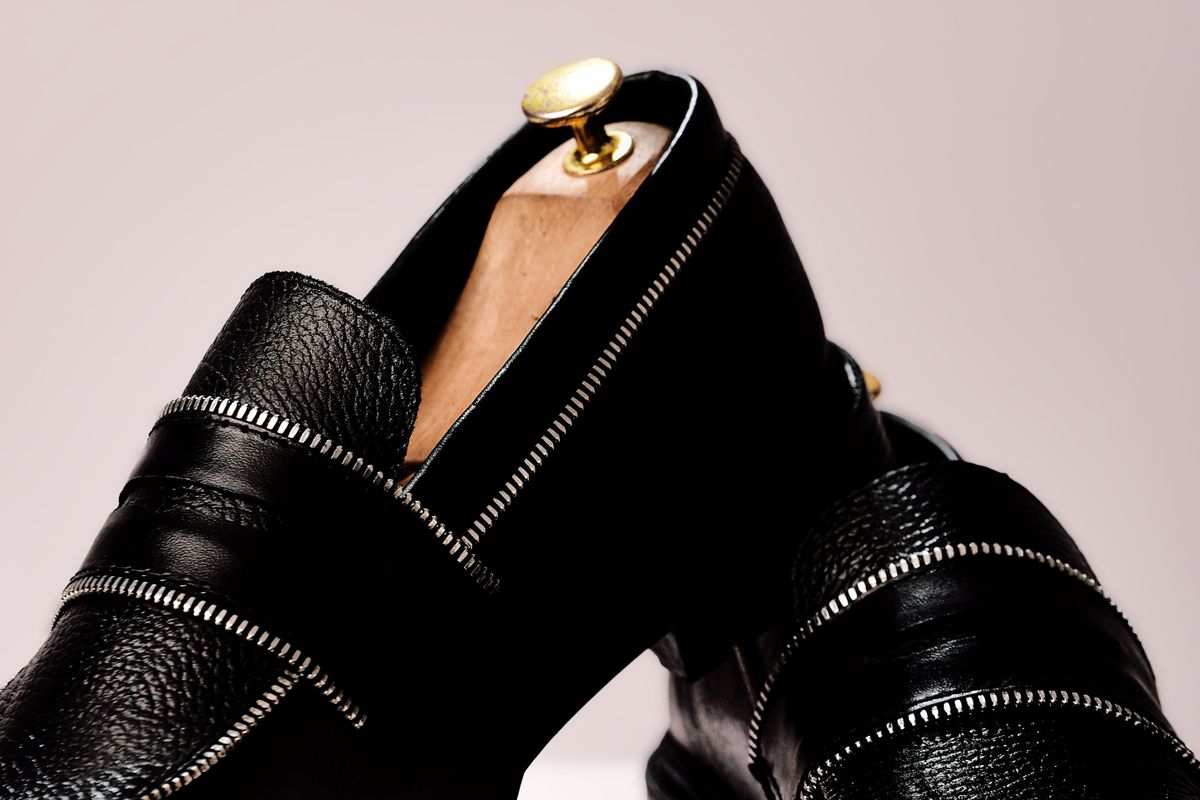
Slip-on shoes are the least forgiving category for wide feet. A lace-up can be loosened across the instep; a loafer fits or it does not, and the maker’s own last — not the size number — decides which. The useful information is in the width specification and the structure of the upper, and almost none of it appears in a size chart.
What the width letters actually mean
North American sizing follows Brannock conventions: D is standard men’s width, B is standard women’s, E and EE are wide and extra wide, EEE wider still. Each letter step adds roughly an eighth of an inch of girth at the ball on the same length. Two caveats matter for loafers. First, the letters are conventions, not law — one maker’s EE can fit like another’s E, which is why British shoemakers’ letter systems sometimes differ entirely. Second, many European loafer makers publish no width letter at all, only a last name, so buyer feedback on that specific model carries more weight than any chart.
The style decides how much room you get
The three classic loafer shapes load the instep differently. A penny loafer has a strap across the throat of the shoe; a tassel or horsebit loafer adds ornament on top of it. All three sit lower on the foot than a derby, so a high instep that clears a lace-up comfortably can feel clamped in any of them. A plain front or apron loafer, cut higher at the throat, is the friendliest starting point. There is also a length penalty built into slip-ons: without lacing to hold the heel, the shoe depends on a snug fit to stay on, so makers cut loafers close. Buying long to gain width defeats the retention that makes a loafer wearable.
Unlined or lined changes everything
An unlined loafer is a single layer of soft leather, often suede. It molds to the foot quickly and gives up shape as it does — commonly reported as the most comfortable first month and the loosest month six. A lined loafer has an inner layer, usually leather, that keeps the shoe’s shape and resists stretch. For a wide foot, unlined is usually the better bet at the margins: the upper gives where the foot is widest instead of fighting it. Fit considerations like these apply well beyond slip-ons, which is the central argument in our white leather sneaker guide.
Leather and sole stiffness matter more than the number
A firm single-leather sole with a rigid waist holds the shoe’s shape and forces the foot to do the flexing; a flexible sole or a thin rubber one lets the shoe bend with the foot, which wide feet tend to appreciate across a long day. Soft, tumbled or unlined uppers forgive; stiff boxed calf and corrected-grain uppers do not. When a listing names its leather and sole construction, that is a better wide-foot signal than any conversion table — the same principle behind why brand size charts disagree with each other in the first place.
FAQ
- Should I size up in loafers if I have wide feet?
- Rarely. Going up a half size adds length, not meaningful width, so the shoe slides at the heel while still pinching at the ball. A proper width fitting or a brand that cuts a roomier last solves the actual problem. Leather gives a little over time, but a truly narrow loafer never becomes wide.
- Do loafers stretch?
- Unlined leather loafers stretch the most, often a noticeable fraction of a size in width over the first weeks of wear, because there is no inner structure holding them in shape. Fully lined loafers stretch less and hold their shape better. A cobbler can also stretch specific spots on leather uppers.
- Are penny loafers or horsebit loafers better for a high instep?
- Neither is ideal. Both place a strap or ornament across the instep, which is exactly where a high-volume foot needs room. A plain apron-front or split-toe loafer, or a soft unlined model with a higher-cut throat, gives the instep more clearance than a rigid horsebit.
Claire Donovan
Spent eight years in womenswear buying before moving to editorial research. Reads care labels for fun and returns nothing without a wear log. How we research.