Jewelry
Nickel, Titanium, Gold: Earring Metals and Sensitive Ears
Why nickel causes most earring reactions, what the EU release limits actually require, and which metals — 316L steel, titanium, niobium, gold — make sense.
By Claire Donovan · Published Sep 3, 2026 · Updated Sep 3, 2026
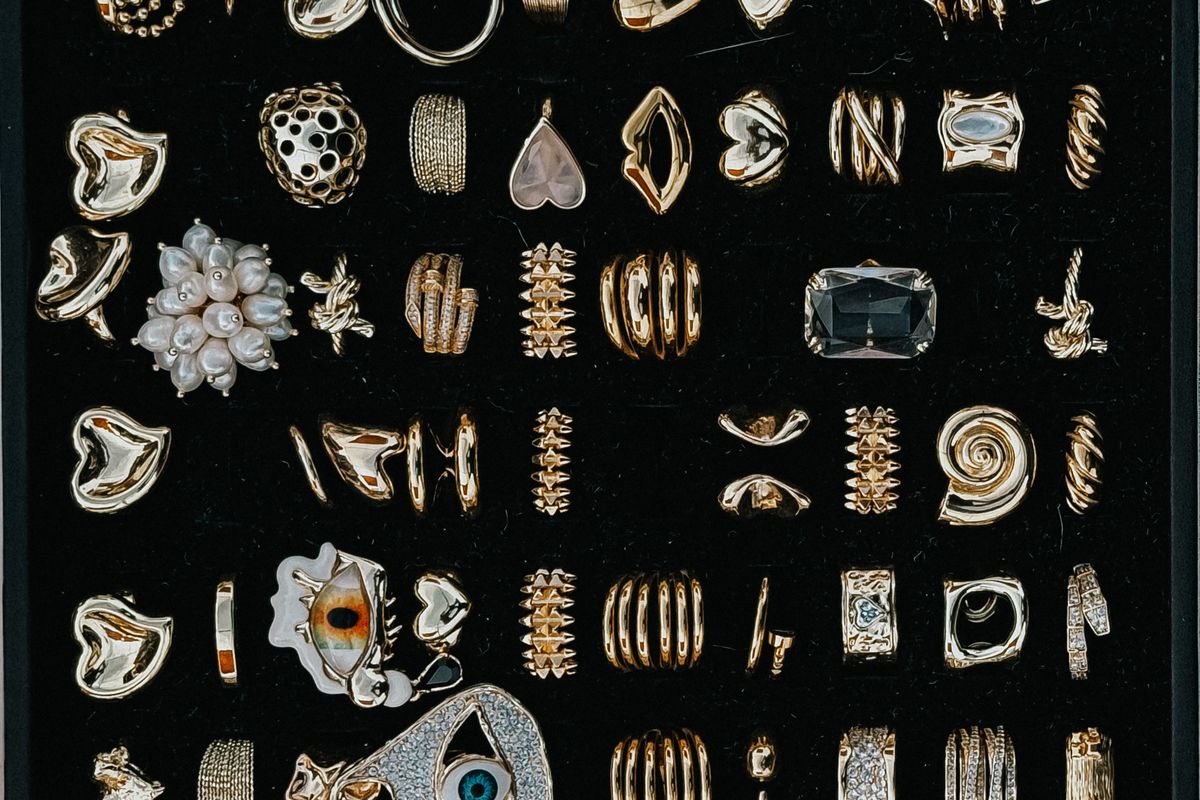
Sensitive-ears advice usually stops at “hypoallergenic,” a word with no legal meaning anywhere. The metal itself is the story, and the metals are ranked by one number: how much nickel they release against skin.
Nickel is the allergen
Nickel allergy is one of the most common causes of allergic contact dermatitis, and ear studs are a classic route of first sensitization — roughly ten percent of populations in Western Europe and North America are sensitized, more often women than men. Once sensitized, the reaction is for life, and even brief contact with a release-heavy earring post can mean itching, redness, and cracked earlobes. This is why the post metal matters more than the design.
The only hard number in the category
The European Union’s Nickel Directive — since 2009 folded into REACH as Annex XVII, entry 27 — sets actual release limits: 0.5 micrograms of nickel per square centimeter per week for articles in direct, prolonged skin contact, and 0.2 for post assemblies inserted into pierced body parts during healing. Compliance is measured by EN 1811, a week-long artificial-sweat test, and coated items must hold the limit through at least two years of normal use. There is no matching US federal release limit for jewelry, which is why “nickel compliant” or “EU compliant” in a listing is a real signal, not decoration.
Where common metals actually land
316L surgical steel is the honest compromise: it contains roughly ten to fourteen percent nickel, but its corrosion-resistant structure releases very little, and it routinely passes EN 1811. For healed ears it is a sound choice; for fresh piercings, the stricter 0.2 limit is where steel is outclassed. Implant-grade titanium and niobium contain effectively no releasable nickel and are the default for new piercings and severely reactive ears — the same reason these metals anchor the body-jewelry industry. Their drawback is appearance: both are gray, so anyone who wants a warm metal tone moves to gold.
Gold gets complicated by karat and color. Solid yellow gold of 14k and above alloys mostly with silver and copper and suits most sensitive ears; the higher the karat, the purer the gold and the softer the metal. White gold is the trap — it is frequently whitened with nickel, so a white-gold stud can be a worse choice than steel. Plated anything is the second trap: once the plating wears at the post, whatever nickel-bearing base sits underneath is against your skin, which is why gold-filled and vermeil construction holds up better than thin plating.
What to ask instead of “is it hypoallergenic”
“Hypoallergenic” is a marketing word with no legal definition — no US regulator enforces what it means on an earring card. Apply the skepticism you would bring to what UV400 actually guarantees on a sunglasses tag: some labels have real standards behind them, and this one does not. The questions that actually sort listings: What is the post metal, specifically? Does it meet EN 1811 or the EU nickel release limits? Is the titanium implant grade? A seller who can answer those in one line has done the work; a listing that says only “hypoallergenic” has told you nothing. The habit is the same one behind reading what the vermeil label legally means before buying gold — ask for the construction fact, ignore the vibe.
FAQ
- Is surgical steel safe for sensitive ears?
- Usually, once a piercing is healed. 316L surgical steel contains nickel, but the alloy's corrosion resistance keeps the release rate low, and it commonly passes the EN 1811 sweat test. For brand-new piercings, titanium or niobium posts are the safer default because healing skin is when sensitization risk is highest.
- What metal is best for a new piercing?
- Implant-grade titanium is the standard recommendation, followed by niobium and solid high-karat gold. The EU sets a stricter nickel release limit — 0.2 versus 0.5 micrograms per square centimeter per week — specifically for jewelry inserted into fresh piercings, which tells you how much the healing stage matters.
- Does 14k gold contain nickel?
- Yellow 14k gold rarely contains enough nickel to matter; its alloy is mostly silver and copper. The caution is white gold, which is often whitened with nickel — palladium-based white gold avoids it. Solid gold also has no plating to wear through and expose whatever is underneath.
Claire Donovan
Spent eight years in womenswear buying before moving to editorial research. Reads care labels for fun and returns nothing without a wear log. How we research.