Eyewear
What UV400 Actually Guarantees on a Sunglasses Label
UV400, polarized, category 3 — the three numbers on a sunglasses label do very different jobs. What each one means, which one protects your eyes, and the cheap test that catches fake claims.
By Claire Donovan · Published Sep 19, 2026 · Updated Sep 19, 2026
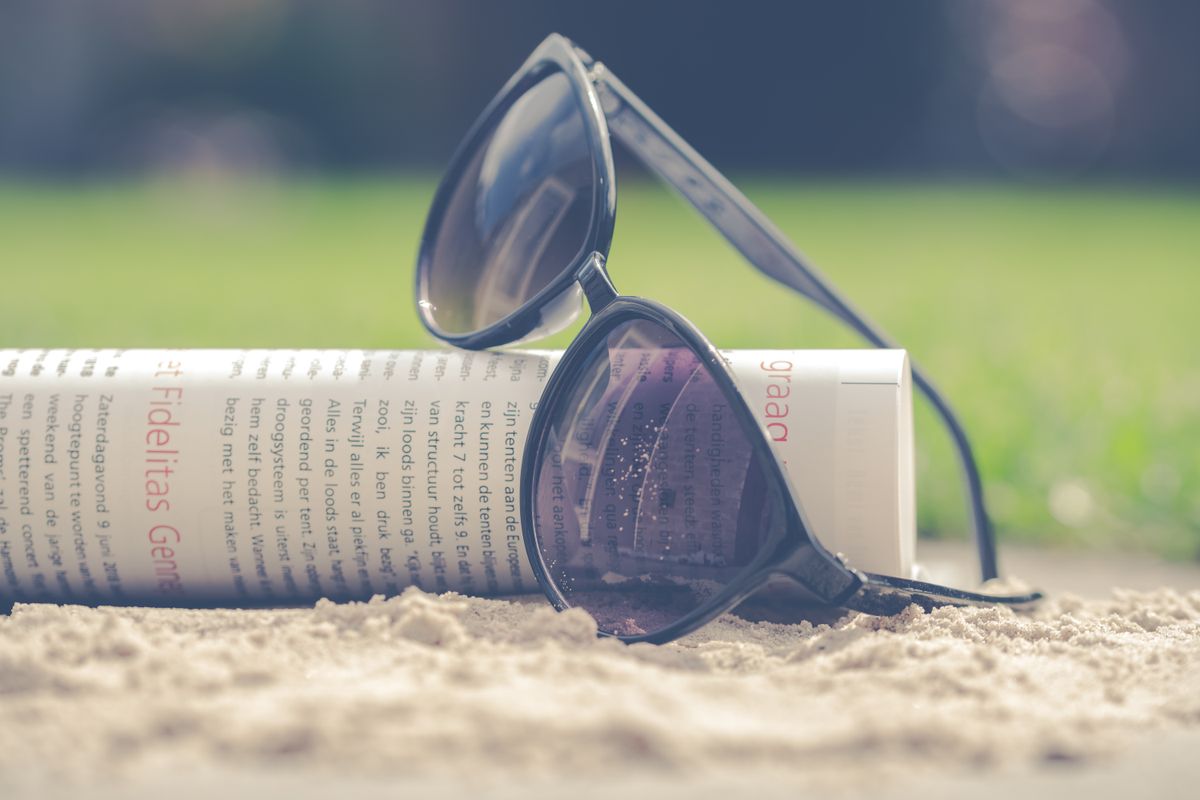
Sunglasses marketing runs on two numbers and one word: UV400, category 3, and polarized. Most product pages blur them together. They measure three unrelated things, and only one of them is about your health.
UV400: the number that matters
Ultraviolet light is the part of the spectrum that damages the lens and retina over a lifetime. UV400 means the lens blocks light at wavelengths up to 400 nanometers — effectively all UVA and UVB. It is a protection claim, and it is the cheapest one for a maker to honor, which is why it appears on $10 pairs and $400 pairs alike. When a listing says “100% UV protection”, that is the same claim in older clothing.
Category 3: the comfort number
The small “cat. 3” or “category 3” marking describes how much visible light the lens transmits — roughly how dark it is. The scale runs from 0 to 4 under ISO 12312-1, the international standard for general-use sunglasses:
| Category | Light transmitted | Typical use |
|---|---|---|
| 0 | 80–100% | Clear or very light; indoor, overcast |
| 1 | 43–80% | Light tint; partly cloudy |
| 2 | 18–43% | Medium tint; general outdoor use |
| 3 | 8–18% | Dark tint; bright sun, daytime driving |
| 4 | 3–8% | Very dark; glaciers, high altitude, open water |
Read the table as a comfort dial, not a protection score. Category 3, the standard everyday darkness, is the right answer for driving and beach days. Category 4 is so dark it is considered unsuitable for driving in any conditions. The number says nothing about ultraviolet protection — a category 0 clear lens with a UV400 claim protects better than a category 4 tint without one.
Polarized: the glare filter
Polarization cuts horizontally traveling reflected light — the sheet of glare off water, wet roads and car hoods. It is genuinely useful for driving and fishing, and it has nothing to do with UV. The two properties are engineered separately, and lens material does part of the UV work on its own: polycarbonate, the plastic in most sports and children’s frames, absorbs ultraviolet from the polymer itself. Tint sits on top of whatever protection exists or does not. If you only ever buy one pair, polarized is a nice-to-have, not the priority; plenty of excellent UV400 pairs are not polarized, and nobody’s optometrist can tell at your next exam.
The try-on check
Find the UV claim stamped on the frame or its paperwork, not on a removable hangtag. For polarization, hold the glasses toward a repeating pattern — floor tiles, window blinds — and rotate one lens ninety degrees: a polarized lens shifts and darkens the pattern at one angle. Then check coverage: the lenses should sit close enough that light does not spill over the brows or past the temples, because a dilated pupil behind a dark lens picks up whatever ultraviolet leaks in around the edges.
The fake-claim test
Counterfeit and no-name pairs sometimes claim UV400 and deliver tinted nothing. The optical shop test uses a UV meter; the at-home approximation is a UV flashlight and something fluorescent that glows under it — behind a real UV400 lens the glow dies. It is not lab-grade, but it catches the worst offenders. Better: buy from the brand, an authorized retailer, or a seller whose listings name the lens standard — vagueness is the tell. The same reading habit transfers: reading a tote bag listing and telling gold-filled from vermeil reward exactly the same demand for published specifics.
FAQ
- Is UV400 the same as polarized?
- No, and the confusion is expensive. UV400 describes protection from ultraviolet light — the thing that matters for eye health. Polarized describes a filter that cuts horizontal glare off water, roads and car hoods — a comfort feature. A cheap polarized pair can offer zero UV protection, and a non-polarized pair can block 100% of UV.
- Do cheap sunglasses protect as well as expensive ones?
- On UV protection, often yes — UV-blocking coating is inexpensive to apply, which is exactly why counterfeit and no-name pairs can technically meet it. What cheap pairs get wrong is optical quality: lens distortion, which makes your eyes work harder, and frame durability. Buy cheap on purpose, not by accident.
- Are darker lenses better for your eyes?
- No. Lens darkness is comfort, not protection — and it can backfire. A dark lens with no UV coating is worse than no sunglasses at all, because the dark tint makes your pupil dilate and let in more ultraviolet light. Always check for a UV400 or 100% UV claim, whatever the tint.
Claire Donovan
Spent eight years in womenswear buying before moving to editorial research. Reads care labels for fun and returns nothing without a wear log. How we research.